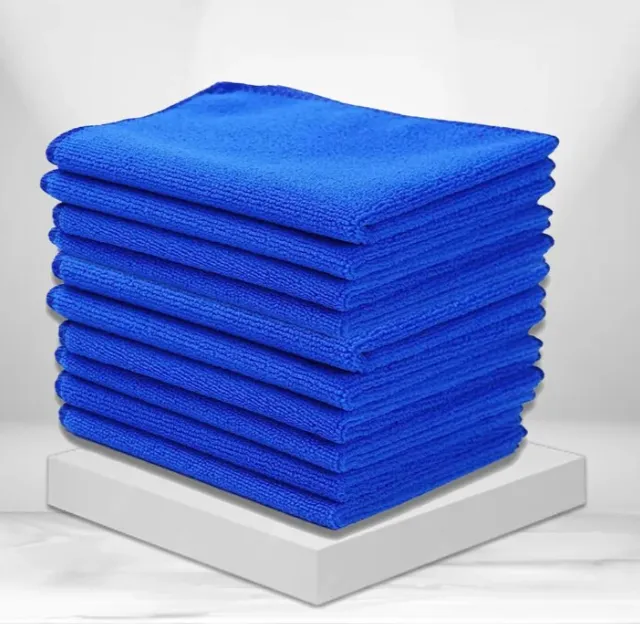
Microfiber towels may look like one of the simplest items in a detailing studio, yet poor towel selection or handling can compromise otherwise careful work.
Detailers use microfiber for drying, compound removal, glass cleaning, interior work, coating processes, and final finishing. Using one type of towel for every task can therefore create unnecessary problems.
Professionals buying microfiber towels for car detailing should consider application, construction, cleanliness, and workshop management together.
Mistake 1 Choosing Towels Only by Thickness
A thick towel is not automatically better for every job.
Different towel constructions are suited to different applications. A plush towel may work well for some paint-related tasks, while glass cleaning can benefit from a different weave designed to minimise lint and streaking.
The intended use should determine the towel rather than appearance alone.
Mistake 2 Using the Same Towels Everywhere
A towel used on tyres or dirty door jambs should not return to sensitive painted surfaces.
Cross-contamination can transfer dirt, dressing residue, grease, or abrasive particles.
Professional workshops should separate towels by application. Categories may include
- Paint finishing
- Drying
- Glass
- Interior surfaces
- Wheels
- Door jambs
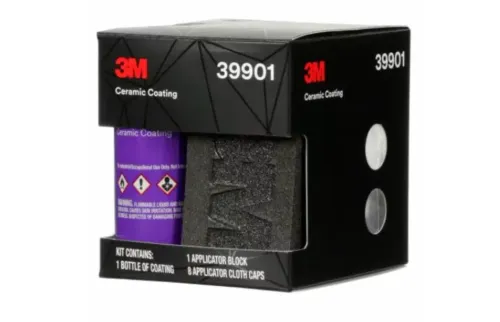
- Coating-related work
- General utility cleaning
Colour coding can make this system easier for technicians to follow.
Mistake 3 Ignoring the Edges
The towel edge can matter when working on delicate paint.
Detailers should inspect the complete towel, including stitching and borders, rather than evaluating only the central fabric.
Any towel that feels rough, contains embedded particles, or has damaged sections should be removed from sensitive paintwork.
Mistake 4 Washing Towels With Ordinary Laundry
Detailing towels can lose performance when contaminated with unsuitable laundry products or mixed with lint-producing fabrics.
Follow suitable microfiber-care practices and product instructions.
Towels used for certain specialised chemicals or coatings may require separate handling because residues can alter their future performance.
A clean towel should also be stored in a clean location after washing.
Leaving freshly washed microfiber exposed on a dusty workshop shelf defeats much of the purpose of careful laundering.
Mistake 5 Keeping Towels in Service Too Long
Microfiber is a consumable workshop item.
A towel does not need to be thrown away simply because it is no longer suitable for final paintwork. It can often be downgraded to less sensitive tasks.
A practical hierarchy might move older towels from paint to interiors, then door jambs or general workshop cleaning, provided their condition remains appropriate for those applications.
Clearly marking downgraded towels prevents them from accidentally returning to premium paintwork.
Mistake 6 Buying Without Considering Workflow
A small enthusiast setup and a busy detailing studio have very different towel requirements.
Commercial users should estimate how many vehicles are processed before each laundry cycle.
Running out of clean towels midway through the day encourages technicians to reuse unsuitable material.
Keeping enough stock for normal workload, plus a reasonable reserve, makes the process more consistent.
Evaluate Cost Per Useful Life
The cheapest towel is not always the lowest-cost option.
If a towel performs poorly, sheds lint, loses its useful characteristics quickly, or requires repeated passes, the apparent saving may disappear through labour and replacement costs.
Professional buyers should assess
- Intended application
- Absorbency
- Softness
- Weave
- Edge construction
- Lint behaviour
- Wash durability
- Cost over repeated use
For detailing studios and automotive service providers in Pune, Maharashtra, microfiber management can be treated as part of quality control rather than simple housekeeping.
Providers such as S T Sales offer car detailing products for different stages of vehicle care, allowing businesses to plan microfiber requirements alongside cleaning, polishing, and finishing materials.
Good towels do not replace correct technique, but correct technique becomes harder when towels are contaminated, poorly selected, or unsuitable for the task.
A simple workshop system—separate by application, wash appropriately, inspect frequently, store cleanly, and downgrade worn towels—can prevent many avoidable detailing problems.
Keywords