Paint protection film has become an important option for vehicle owners who want to protect vulnerable painted surfaces from everyday physical damage. Common applications include bonnets, bumpers, fenders, mirrors, door edges, and other areas exposed to road debris.
For detailing studios and vehicle customisation businesses, however, offering PPF services involves more than purchasing film. Professional results depend on compatible paint protection film supplies, surface preparation, installation practices, and controlled working conditions.
What Does Paint Protection Film Do?
PPF is a transparent protective film applied over painted vehicle surfaces.
Depending on the film specification, it may help protect against minor stone impacts, light scratches, road debris, insect residue, and environmental exposure.
Some modern films also incorporate properties designed to improve stain resistance or reduce the visibility of fine surface marks under appropriate conditions.
The performance of a PPF installation depends on both the material and the quality of installation.
Surface Preparation Comes First
Installing film over a poorly prepared panel can trap contamination beneath the material.
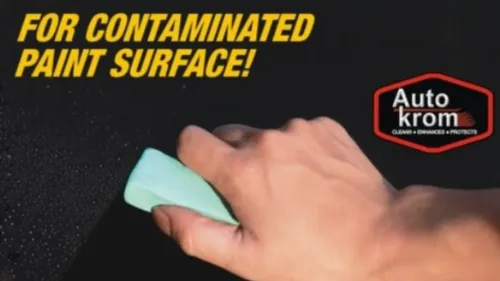
The vehicle should first be washed thoroughly. Depending on paint condition, further decontamination may be necessary to remove bonded particles.
Installers should inspect for
- Tar deposits
- Water spots
- Overspray
- Embedded contamination
- Existing scratches
- Paint chips
- Previous repair work
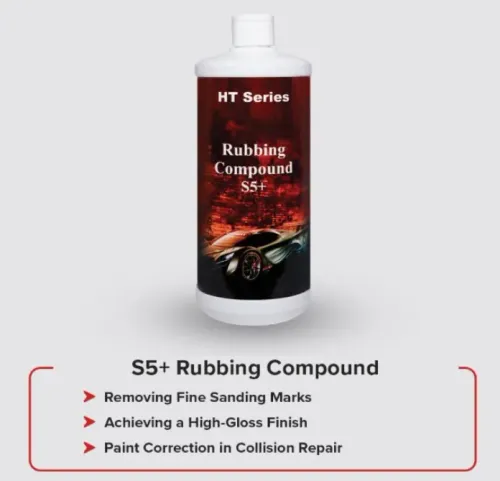
Paint correction may be appropriate before installation when visible defects would otherwise remain underneath the transparent film.
Installation Requires More Than Film
A professional setup may require a range of supporting materials and tools.
Depending on the installation system, these can include
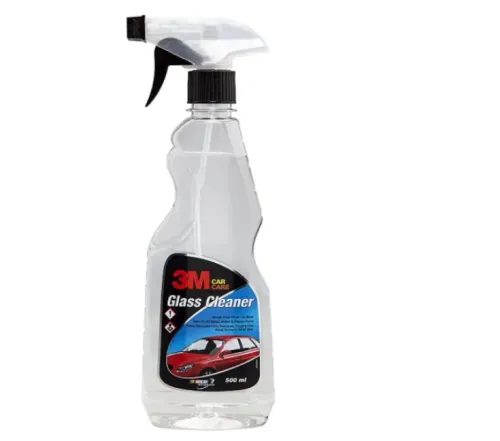
- Surface-cleaning products
- Suitable application solutions
- Spray bottles
- Installation squeegees
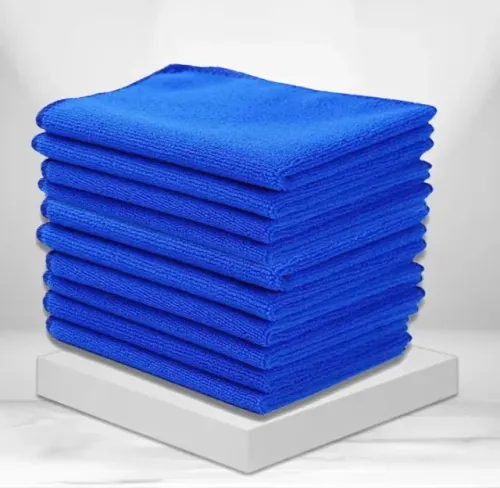
- Microfiber towels
- Edge-cleaning materials
- Precision installation tools
- Lighting for panel inspection
The exact supplies should be compatible with the film manufacturer's installation guidance.
Improvised chemicals or unsuitable tools can affect adhesive behaviour, surface appearance, or installation quality.
Workshop Conditions Matter
PPF installation should ideally take place in a clean, controlled environment.
Dust is a major concern because contamination trapped under transparent film can remain visible after installation. Air movement, dirty flooring, open workshop doors, and nearby sanding or polishing work may increase contamination risk.
Lighting is equally important. Installers need to see panel edges, trapped particles, solution pockets, stretch patterns, and other details while working.
A dedicated or carefully prepared installation bay can therefore contribute significantly to consistency.
Film Selection Should Match the Application
Not every customer wants full-body PPF.
Common packages may include
- High-impact front sections
- Full bonnet
- Bumper protection
- Mirror protection
- Door-edge protection
- Selected high-contact areas
- Full vehicle coverage
Studios can design packages around typical customer requirements and vehicle usage.
A premium vehicle frequently used on highways, for example, may have different protection priorities from a city vehicle whose owner mainly wants vulnerable contact areas protected.
Installation Skill Remains Critical
High-quality material cannot compensate for poor installation technique.
Installers need to understand film positioning, stretching, edge management, contamination control, solution handling, and panel geometry. Complex curves can require considerably more skill than relatively flat surfaces.
Training and practice should therefore be treated as part of the PPF service investment.
Aftercare Should Be Explained Clearly
Customers should understand how to care for the film after installation.
The applicable waiting period before washing, appropriate cleaning methods, treatment of edges, and compatible maintenance products should follow the recommendations for the specific film used.
Detailing professionals should avoid giving one universal aftercare instruction for every PPF product because specifications can vary.
Think of PPF as a Complete System
For businesses sourcing automotive detailing and refinishing materials in Pune, Maharashtra, the important question is not simply which film to buy.
The complete workflow matters inspection, cleaning, preparation, installation materials, environment, technician skill, and maintenance guidance.
Suppliers such as S T Sales serve automotive professionals requiring products across detailing and vehicle surface-care applications. When evaluating PPF supplies, workshops should discuss the intended vehicle segment, installation volume, available workspace, and service packages before deciding what to stock.
A carefully planned PPF setup gives technicians the right materials for each stage and helps businesses build a repeatable installation process rather than treating every vehicle as an improvised job.
Keywords