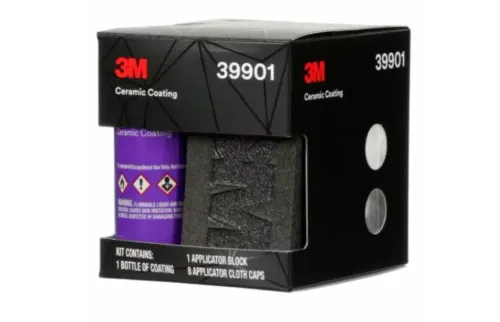
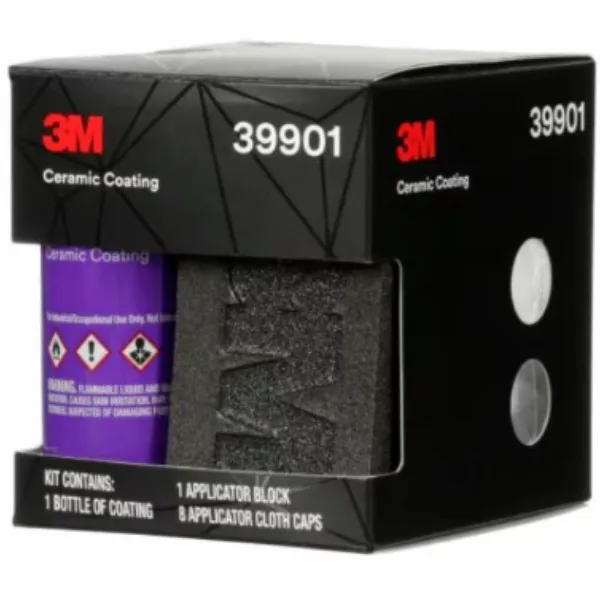
Maintaining automotive paint can become challenging when a vehicle is regularly exposed to dust, road contamination, sunlight, rain, bird droppings, and repeated washing. Ceramic Coating Products provide an additional surface-protection option for car owners and professional detailers who want to make paint maintenance more manageable while preserving gloss and appearance.
For detailing studios, automotive workshops, dealerships, and car owners in Pune, Maharashtra, understanding how ceramic coatings work is important before choosing a product or application package.
What Ceramic Coating Actually Does
A ceramic coating is a liquid product applied to a properly prepared automotive surface. After application and curing, it forms a bonded protective layer over the paint or clear coat.
Depending on the formulation, ceramic coatings may provide benefits such as:
- Hydrophobic water behaviour
- Easier routine cleaning
- Improved surface gloss
- Reduced adhesion of certain contaminants
- Additional protection against environmental exposure
- Better maintenance of a professionally corrected finish
The exact characteristics vary between products, which is why professional selection should be based on technical requirements rather than marketing claims alone.
Ceramic Coating Does Not Repair Paint
One of the biggest misconceptions about ceramic coatings is that they remove scratches.
They do not.
If a vehicle already has swirl marks, oxidation, water spots, or suitable correctable defects, these issues generally need to be addressed before the coating is applied.
Applying ceramic coating over poorly prepared paint can preserve visible imperfections underneath the protective layer.
A professional detailing process therefore begins with inspecting the condition of the vehicle rather than immediately applying the coating.
Surface Preparation Makes the Difference
Preparation is one of the most important factors influencing coating performance.
The process may include:
- Thorough vehicle washing
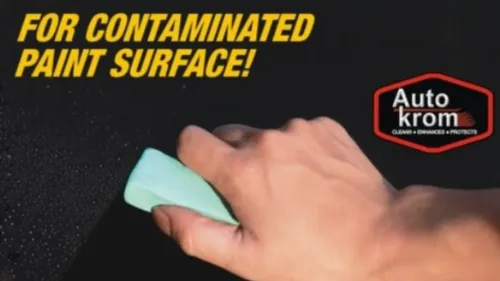
- Removal of bonded contamination
- Paint inspection
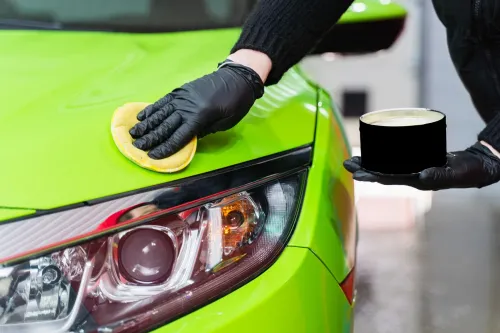
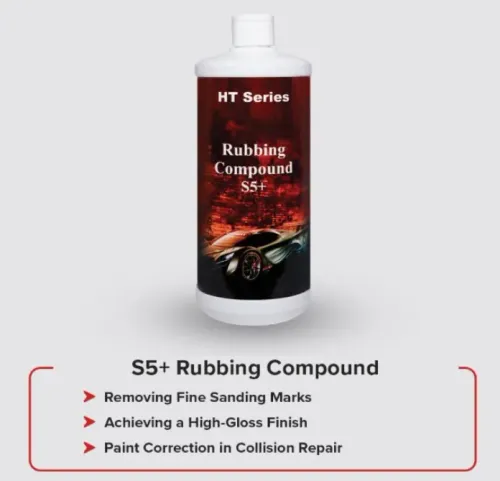
- Paint correction where required
- Surface refinement
- Removal of polishing oils and residue
- Final preparation before coating
Each stage helps create a clean surface suitable for coating application.
Skipping preparation may contribute to uneven bonding, high spots, inconsistent appearance, or reduced performance.
Understand Hydrophobic Performance
Water behaviour is one of the most noticeable characteristics associated with ceramic coatings.
A properly applied coating can encourage water to bead or move away from the surface more easily. This can make routine maintenance more convenient and may reduce the tendency of some contamination to adhere strongly.
However, hydrophobic does not mean maintenance-free.
Vehicles still need regular washing.
Allowing dirty rainwater or mineral-rich water to repeatedly dry on the surface can still create deposits. Bird droppings and other contaminants should also be removed appropriately rather than left on the vehicle for extended periods.
Choose a Coating According to Vehicle Usage
Not every car requires the same coating system.
Before choosing among Ceramic Coating Products, professionals should consider how the vehicle is used.
Important questions include:
- Is the vehicle driven every day?
- Is it usually parked indoors or outdoors?
- How frequently is it washed?
- Does it travel long distances?
- What is the condition of the existing paint?
- What level of maintenance is the owner prepared to follow?
- Is gloss enhancement or easier maintenance the main priority?
A daily-use vehicle exposed to Pune's traffic and road conditions may require a different approach from a premium vehicle used occasionally and stored in covered parking.
Application Conditions Need Control
Ceramic coating application should be performed according to the specific product's requirements.
Temperature, humidity, lighting, working time, levelling, and curing conditions can all affect the process.
Good lighting helps technicians identify areas where excess coating has not been levelled correctly.
A clean environment also reduces the possibility of dust settling onto the surface during application and initial curing.
Professional detailing studios should avoid treating all coating products as though they have identical working characteristics.
Avoid Common Ceramic Coating Mistakes
Several mistakes can reduce the quality of the finished result.
These include:
- Applying coating over contaminated paint
- Skipping necessary paint correction
- Using excessive product
- Working on unsuitable surface temperatures
- Failing to level the coating correctly
- Ignoring recommended curing conditions
- Exposing the vehicle to water too soon
- Using unsuitable chemicals during maintenance
Following the product's recommended application process is more important than attempting to complete the job quickly.
Ceramic Coating Compared With Paint Protection Film
Ceramic coating and PPF are often discussed together, but they provide different forms of protection.
Ceramic coatings create a comparatively thin bonded protective layer and are commonly selected for surface behaviour, gloss, and easier maintenance.
Paint protection film provides a thicker physical barrier and is often considered for areas exposed to stone chips and physical abrasion.
Some vehicle owners may use both systems strategically rather than treating one as a direct replacement for the other.
Select Products as Part of a Complete Process
Professional workshops should consider the products used before and after ceramic coating.
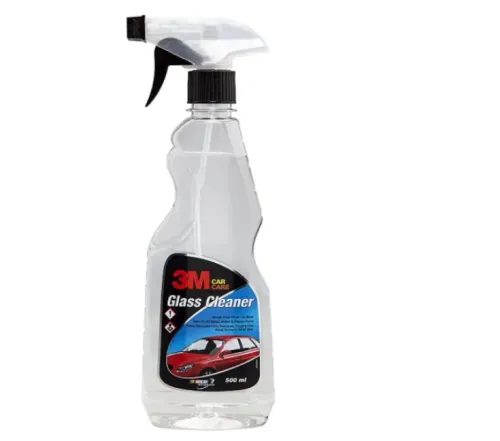
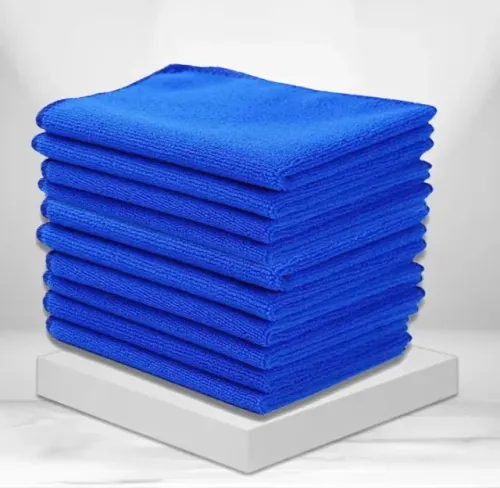
Cleaning chemicals, compounds, polishes, preparation products, coating materials, microfiber products, and maintenance solutions should support the overall detailing process.
S T Sales provides automotive detailing and refinishing solutions for professionals and vehicle-care businesses in Pune, including products relevant to paint preparation and protection.
Ceramic coating performs best when it is treated as a complete detailing process rather than a single product application. Careful inspection, proper correction, clean preparation, controlled application, suitable curing, and correct maintenance all contribute to a professional and longer-lasting vehicle finish.
Keywords