Minor scratches and swirl marks can gradually reduce the clarity and gloss of automotive paint. Everyday activities such as improper washing, dry wiping, frequent handling, road contamination, and contact with branches can leave visible marks on the vehicle surface. Scratch-Resistant Coatings can provide an additional protective layer designed to reduce the impact of certain types of light surface abrasion.
For car owners, detailing professionals, automotive workshops, and dealerships in Pune, Maharashtra, choosing this type of protection requires a clear understanding of what coatings can realistically achieve.
Scratch Resistant Does Not Mean Scratch Proof
One of the most important things to understand is that scratch resistance is not complete immunity from damage.
A protective coating may help the surface withstand certain light marks and everyday abrasion, depending on its formulation and application. It cannot be expected to prevent damage from severe scraping, sharp objects, collisions, deep cuts, or significant physical impact.
Customers should therefore avoid choosing a coating based only on claims suggesting that automotive paint will become impossible to scratch.
The goal is additional surface protection, not an indestructible finish.
Identify What Is Causing the Scratches
Before selecting a protective product, it helps to understand why a vehicle is developing marks.
Many paint defects are created during routine maintenance rather than while driving.
Common causes include:
- Dry wiping dusty paint
- Dirty wash mitts
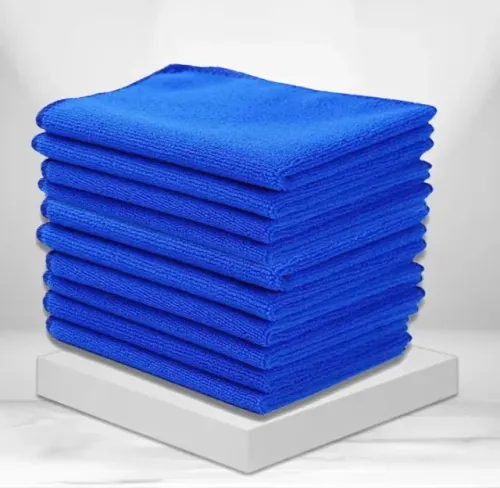
- Contaminated microfiber cloths
- Aggressive automatic car-wash brushes
- Improper washing techniques
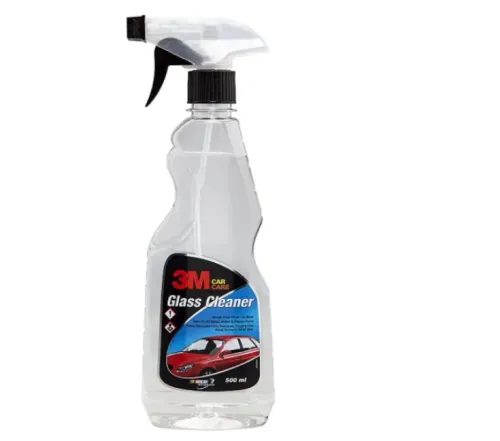
- Abrasive cleaning products
- Frequent contact around door handles
- Branches and vegetation
- Incorrect polishing methods
If poor washing practices continue after a coating has been applied, the vehicle may still develop surface defects over time.
Protection and proper maintenance need to work together.
Inspect the Paint Before Applying Protection
Scratch-resistant coatings should generally be applied to appropriately prepared surfaces.
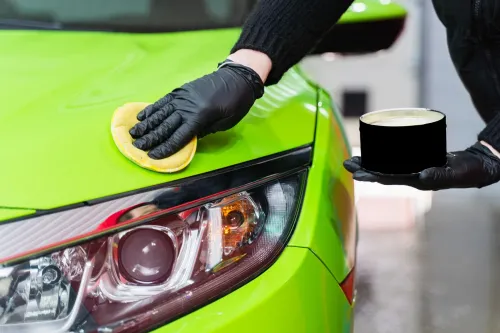
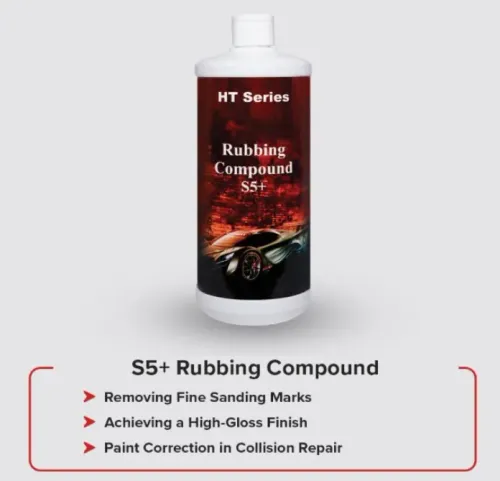
If a vehicle already has visible swirl marks, oxidation, water spots, or suitable correctable scratches, professional paint correction may be recommended before coating.
The preparation process can include:
- Thorough washing
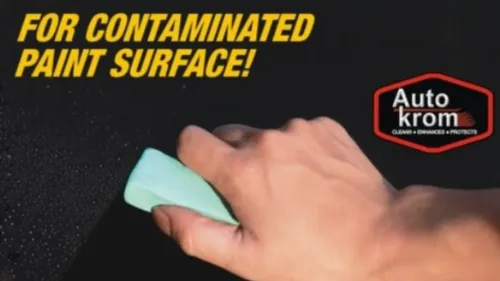
- Removal of bonded contamination
- Paint inspection
- Correction where appropriate
- Surface refinement
- Removal of polishing residue
- Final coating preparation
Applying protection without addressing the existing condition may preserve visible imperfections underneath.
Understand Coating Protection
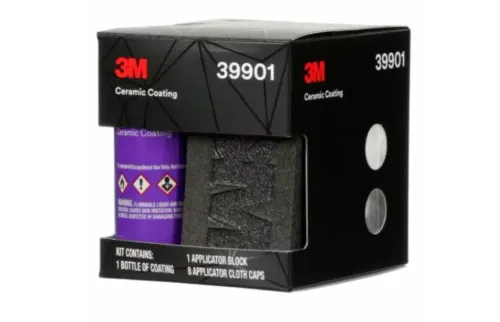
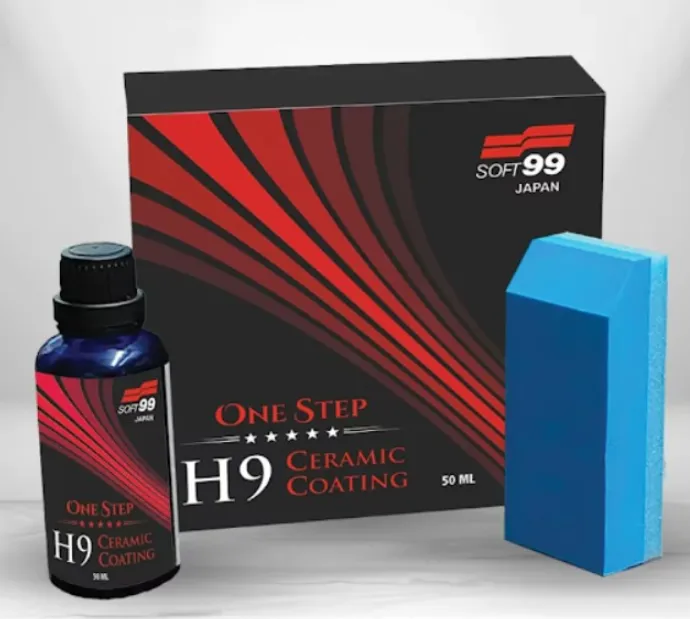
Protective coatings create a comparatively thin layer over the prepared automotive surface.
Depending on the product, additional characteristics may include easier cleaning, hydrophobic behaviour, improved gloss, and resistance to certain environmental contaminants.
However, coating selection should be based on technical specifications rather than a single hardness or durability claim.
Professional users should understand what the product is designed to resist and what type of maintenance it requires.
Coating Is Different From Paint Protection Film
Scratch-resistant coatings and paint protection film are sometimes treated as interchangeable solutions, but they perform different roles.
PPF provides a thicker physical film over the paint. It may therefore be considered for areas exposed to road debris, minor stone impacts, and greater physical contact.
A coating creates a much thinner protective surface.
For some vehicles, combining the two approaches can make practical sense.
For example, PPF may be considered for the bonnet, bumper, mirrors, and other high-impact areas, while a suitable coating may be used across additional surfaces.
The right approach depends on vehicle usage and owner expectations.
Consider Pune Driving Conditions
Vehicles used regularly in Pune can encounter a combination of road dust, construction-related contamination, traffic pollution, strong sunlight, seasonal rainfall, and frequent washing.
Parking conditions also matter.
A car kept outdoors for much of the day may experience different environmental exposure from one parked in a covered residential or commercial facility.
Before choosing a protective coating, consider:
- Daily vehicle usage
- Parking environment
- Highway travel
- Washing frequency
- Existing paint condition
- Expected ownership period
- Desired maintenance level
These factors help determine whether a particular coating is appropriate.
Application Quality Influences Performance
Even a suitable product can perform poorly if it is incorrectly applied.
Professional application requires attention to surface cleanliness, temperature, working time, product quantity, levelling, and curing requirements.
Using excessive product does not necessarily create better protection.
Improper levelling can leave visible high spots or inconsistent areas on the surface.
The coating should be applied according to the manufacturer's specified process rather than using the same technique for every product.
Maintenance Remains Essential
A coated vehicle still needs to be washed.
The difference is that an appropriately maintained protected surface may be easier to clean and less prone to certain forms of contamination.
Owners should avoid aggressive cleaning methods and unsuitable chemicals.
Clean microfiber products, appropriate automotive wash solutions, and careful drying methods can help reduce the creation of new marks.
Contaminants such as bird droppings should also be removed appropriately rather than being left on the surface for extended periods.
Ask the Right Questions Before Choosing a Coating
Before purchasing or recommending a product, consider practical questions such as:
- Which surfaces can it protect?
- What preparation is required?
- What type of abrasion resistance does it provide?
- What curing conditions are needed?
- How should the vehicle be maintained?
- Which cleaning products are compatible?
- Is professional application required?
S T Sales provides automotive detailing and refinishing solutions for professional users in Pune, including products relevant to vehicle surface preparation, correction, and protection.
Scratch-Resistant Coatings can be a useful part of automotive paint care when expectations remain realistic. The strongest protection strategy combines appropriate product selection with paint preparation, correct application, careful washing practices, and regular maintenance.
Keywords