Achieving a smooth and consistent vehicle finish depends on much more than selecting the correct colour. Automotive Spray Paints need to match the repair type, substrate, existing paint system, application equipment, and expected finish. Even a suitable paint product can produce disappointing results when surface preparation or spray technique is incorrect.
For body shops, automotive garages, paint specialists, dealerships, and vehicle customization businesses in Pune, Maharashtra, selecting spray paints as part of a complete refinishing system can help improve consistency and reduce avoidable rework.
Identify the Refinishing Job First
Different repair jobs require different painting approaches.
Before selecting a spray paint system, determine whether the vehicle requires:
- Spot refinishing
- Scratch repair
- Bumper painting
- Single-panel repainting
- Accident repair
- Replacement panel painting
- Full-body refinishing
- Custom paintwork
The size and condition of the repair area influence preparation, material quantity, application method, and finishing requirements.
A small cosmetic repair should not automatically be approached in the same way as a full panel repaint.
Check the Surface Before Painting
Spray paint should only be applied after the substrate has been correctly prepared.
Technicians need to identify what lies underneath the intended refinishing area.
This could include factory paint, previously refinished paint, primer, filler, plastic components, bare metal, or a combination of surfaces.
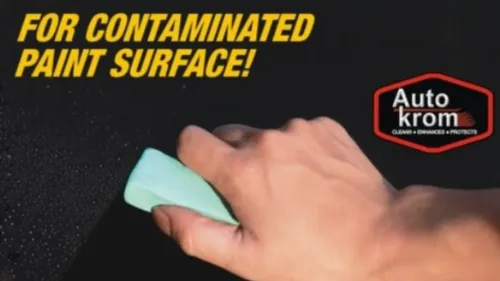
Existing problems such as corrosion, loose coatings, deep scratches, contamination, and unstable previous repairs should be addressed before painting begins.
Otherwise, a visually attractive fresh coating may be compromised by problems underneath it.
Colour Matching Requires More Than Visual Guesswork
Automotive colour matching can be complex.
Even when the original vehicle paint code is known, several factors may influence the visible colour of the existing vehicle.
These include:
- Vehicle age
- Sunlight exposure
- Previous repairs
- Production colour variations
- Existing paint condition
- Application technique
Metallic and pearl finishes can be especially sensitive because porientation affects how the colour appears under different lighting and viewing angles.
Professional painters may need to evaluate colour variants and use blending techniques where appropriate.
Match the Paint With the Spray Equipment
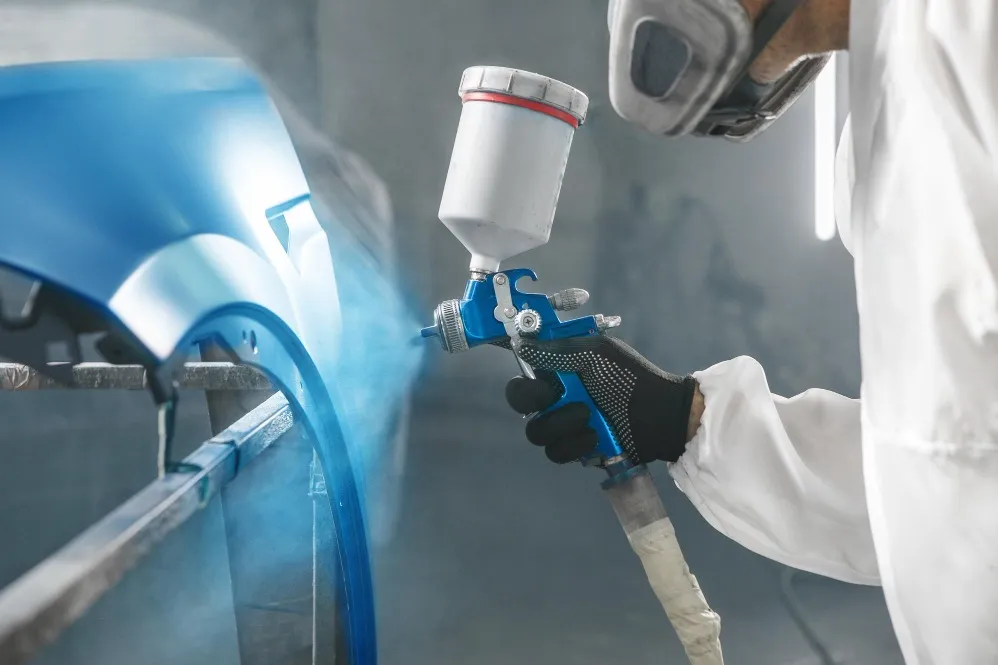
The spray gun is a critical part of the application process.
Paint needs to atomize correctly and reach the panel in a controlled pattern.
Technicians should consider factors such as:
- Spray-gun setup
- Nozzle configuration
- Air pressure
- Material viscosity
- Spray pattern
- Gun distance
- Pass overlap
- Application speed
Incorrect settings can contribute to uneven coverage, excessive overspray, runs, dry spray, or undesirable surface texture.
Equipment setup should therefore be matched to the coating being applied.
Control the Painting Environment
Environmental conditions can directly influence refinishing quality.
Dust is one of the most obvious concerns because particles can settle onto wet paint and become visible in the finished surface.
Temperature, humidity, ventilation, and airflow may also influence application and drying characteristics.
For workshops operating in Pune, seasonal changes can make environmental control particularly relevant. Dry and dusty conditions create different challenges from humid monsoon periods.
Maintaining a suitable refinishing area helps reduce unwanted variation between jobs.
Follow Correct Flash Times
Professional spray painting requires controlled timing between coats.
Flash time allows a coating layer to reach the appropriate condition before another layer is applied.
Rushing this stage can affect how the coating system behaves.
The required timing depends on the product, application conditions, temperature, airflow, and coating thickness.
Technicians should follow the specifications for the paint system rather than applying the same timing routine to every job.
Understand the Complete Paint System
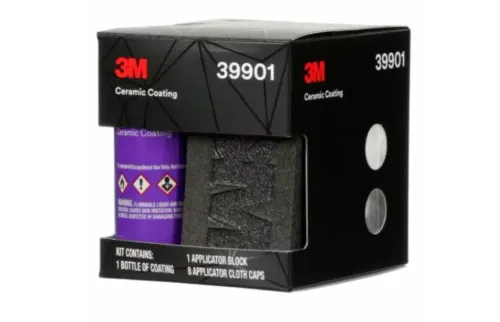
Automotive Spray Paints usually form only one part of a professional refinishing process.
Depending on the repair, workshops may also require:
- Surface cleaners
- Degreasers
- Abrasives
- Fillers
- Primers
- Basecoat materials
- Clearcoat materials
- Hardeners
- Reducers
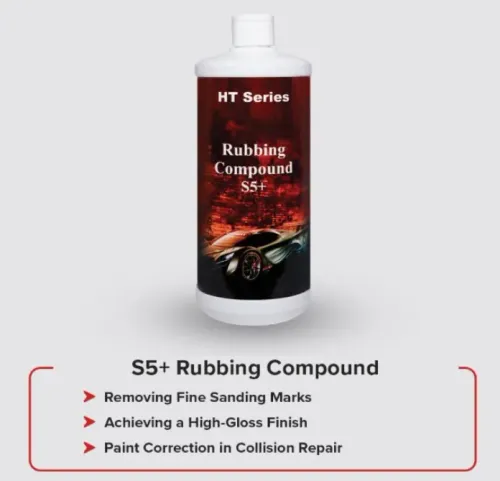
- Compounds
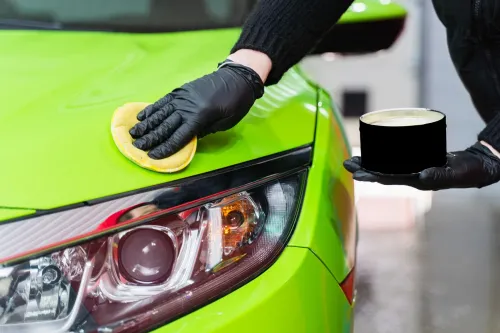
- Polishing products
Compatibility between these stages is essential.
Randomly combining products without understanding technical requirements can increase the possibility of adhesion, curing, or finishing problems.
Avoid Common Spray Painting Mistakes
Several mistakes can reduce the quality of automotive refinishing.
Poor preparation
Painting over contamination or unstable surfaces can compromise adhesion and appearance.
Incorrect gun distance
Holding the gun too close or too far from the surface can affect material distribution.
Uneven overlap
Inconsistent passes may produce patchy coverage or visible variations.
Applying coats too heavily
Excess material can contribute to runs and extended drying.
Ignoring environmental conditions
Temperature, humidity, dust, and airflow can influence coating behaviour.
Rushing between stages
Reducing process time by ignoring specified flash or curing requirements can create additional rework.
Evaluate the Real Cost of Spray Paint
Professional workshops should compare more than the purchase price.
The actual cost of a refinishing product is influenced by:
- Coverage
- Material consumption
- Number of coats
- Mixing requirements
- Wastage
- Application time
- Drying requirements
- Rework rate
- Final finish quality
A paint that initially appears inexpensive may cost more per completed vehicle if it requires additional material or correction.
Select Products Around Workshop Requirements
A professional body shop benefits from maintaining a refinishing system that technicians understand and can use consistently.
Reliable access to compatible preparation, painting, and finishing materials also helps workshops manage inventory and avoid interruptions during repairs.
S T Sales provides automotive detailing and refinishing solutions for professional users in Pune, supporting different stages of surface preparation, paint application, correction, and finishing.
Choosing Automotive Spray Paints should ultimately involve the complete refinishing process. Correct substrate assessment, accurate colour selection, suitable spray equipment, controlled application conditions, compatible materials, and careful finishing are what help turn automotive paint into a professional vehicle finish.
Keywords