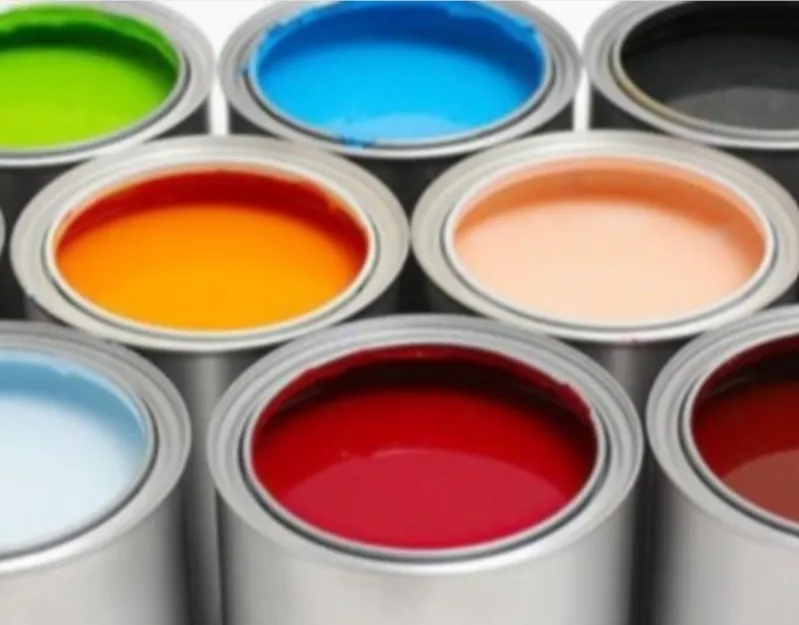
A professional vehicle repaint is not simply about finding a colour that looks similar to the original finish. The quality of Automotive Paints depends on how well the complete refinishing system matches the vehicle, substrate, repair type, application process, and expected finish. Choosing unsuitable materials can result in colour variation, poor adhesion, uneven gloss, or unnecessary rework.
For body shops, garages, paint specialists, dealerships, and vehicle customization businesses in Pune, Maharashtra, selecting automotive paint as part of a complete refinishing process can improve consistency and help control material costs.
Identify the Type of Paint Job First
Different refinishing jobs require different approaches.
Before selecting paint, technicians should identify exactly what needs to be repaired.
Common applications include:
- Minor scratch refinishing
- Bumper repainting
- Single-panel repairs
- Accident-damaged panels
- Replacement panel painting
- Full-body repainting
- Paint restoration
- Custom refinishing
A localized bumper repair, for example, presents different preparation and colour-matching requirements from a complete vehicle repaint.
Understanding the scope helps determine which preparation materials and coating stages will be required.
Check the Existing Surface
Paint performance depends heavily on the surface underneath it.
Before refinishing, technicians should inspect the substrate for:
- Rust
- Peeling paint
- Cracks
- Previous repairs
- Dents
- Deep scratches
- Contamination
- Poorly bonded old coatings
Painting directly over an unstable surface may temporarily hide the problem, but it does not create a reliable repair.
Proper preparation may involve removing damaged coatings, correcting dents, sanding, applying suitable filler, priming, and refining the surface before colour application.
Colour Matching Needs Careful Attention
Modern automotive colours can be complex.
Two cars with the same general colour name may not necessarily have an identical visible finish. Manufacturing variations, vehicle age, sunlight exposure, previous refinishing, and paint application can all influence appearance.
Metallic and pearl colours require particular attention because porientation can change the way the colour appears under different lighting conditions.
Professional refinishing may therefore involve checking the vehicle paint code, assessing colour variants, preparing a test sample, and using blending techniques where appropriate.
Understand the Complete Coating System
Automotive refinishing generally involves multiple stages rather than one layer of paint.
Depending on the repair and paint system, technicians may work with:
Primer
Creates a suitable foundation for subsequent refinishing stages.
Basecoat
Provides the required colour and visual effect.
Clearcoat
Adds gloss and forms the visible outer finish in many modern paint systems.
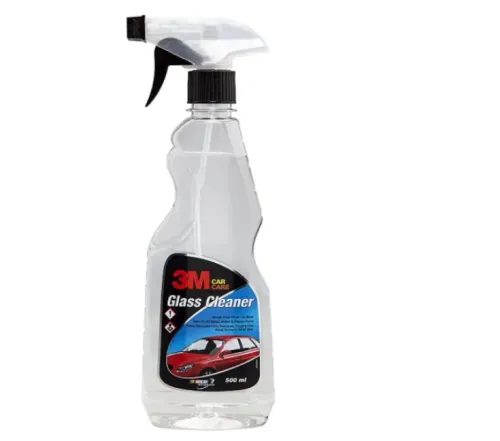
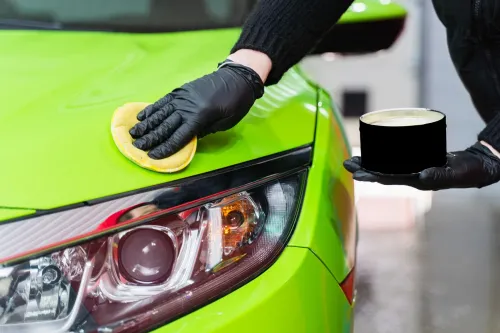
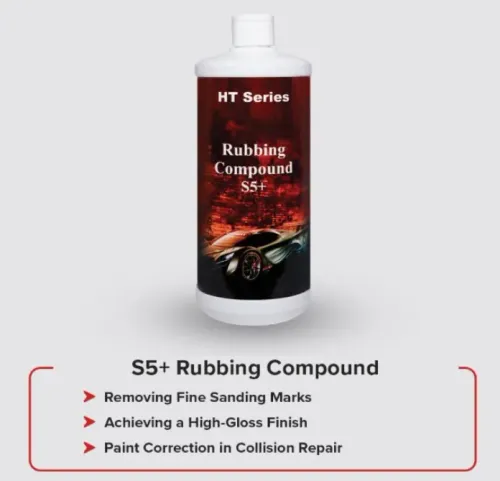
Supporting materials may also include hardeners, reducers, surface cleaners, abrasives, fillers, compounds, and polishing products.
These materials need to be compatible.
Combining unrelated products without checking technical requirements can create unpredictable results.
Consider Application Characteristics
Professional workshops should evaluate how the paint behaves during actual application.
Important considerations include:
- Mixing requirements
- Recommended viscosity
- Coverage
- Number of coats
- Flash time
- Drying requirements
- Application temperature
- Spray-gun setup
- Refinishing compatibility
- Final appearance
A product that suits one workshop process may not necessarily suit another facility with different equipment or working conditions.
Spray Technique Influences the Finish
Even correctly selected automotive paint can produce poor results if it is applied incorrectly.
Spray-gun distance, angle, overlap, material flow, air pressure, and technician movement all influence coating distribution.
Poor application can contribute to problems such as:
- Runs and sags
- Dry spray
- Uneven coverage
- Excessive orange peel
- Metallic variation
- Poor gloss
- Visible repair transitions
Technician training therefore remains a critical part of refinishing quality.
Control the Refinishing Environment
Dust and environmental contamination can quickly affect freshly applied paint.
A controlled refinishing area helps technicians manage airflow, cleanliness, temperature, and other application conditions.
This can be particularly important in Pune, where workshops may experience varying dust, temperature, and humidity conditions during different seasons.
The product's specified application conditions should always guide the process.
Calculate the Real Cost of Paint
Professional buyers should avoid evaluating automotive paint only by the purchase price of the container.
The actual job cost also depends on:
- Coverage per coat
- Number of coats required
- Material wastage
- Supporting materials
- Technician time
- Drying time
- Rework requirements
- Colour consistency
A lower-priced material may become expensive if additional labour or repeat application is required.
Evaluating cost per completed repair gives workshops a more realistic comparison.
Keep Frequently Used Systems Consistent
Constantly switching between unrelated paint systems can make workshop processes more difficult to standardize.
Using a consistent refinishing system allows technicians to become familiar with mixing, application, flash times, and finishing behaviour.
It can also simplify inventory management and troubleshooting.
S T Sales provides automotive detailing and refinishing products for professional users in Pune, supporting different stages of surface preparation, painting, correction, and finishing.
Selecting Automotive Paints should ultimately be based on the complete repair process rather than colour alone. Correct substrate preparation, accurate colour assessment, compatible materials, controlled spray application, and proper finishing collectively determine whether a refinished vehicle achieves a professional appearance.
Keywords