Protecting automotive paint has become an important part of professional vehicle care, particularly for owners who want to preserve the original exterior finish. Paint Protection Film Supplies provide workshops and detailing professionals with materials designed to create a physical protective layer over painted surfaces.
For automotive detailers, garages, dealerships, and vehicle customization businesses in Pune, Maharashtra, choosing suitable PPF involves more than comparing film prices. Film clarity, adhesive quality, installation characteristics, surface preparation, and expected vehicle usage all influence the finished result.
Understand What Paint Protection Film Does
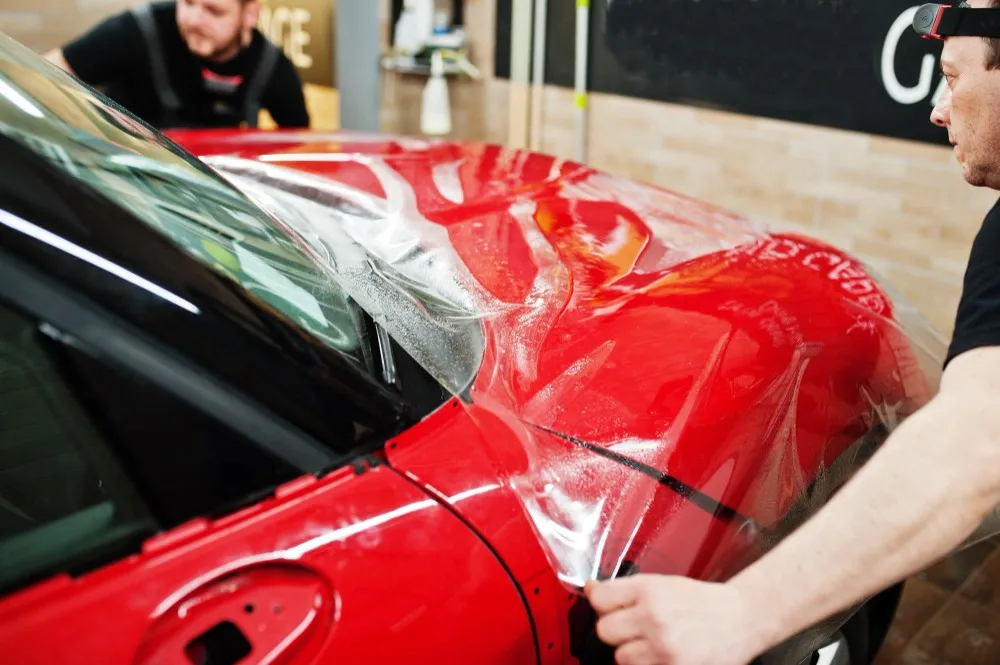
Paint protection film, commonly called PPF, is a transparent film applied over automotive paint.
It is generally used to help protect painted surfaces against everyday exposure such as:
- Minor stone impacts
- Road debris
- Light surface abrasion
- Insect contamination
- Door-edge contact
- Minor scratches
- Environmental contaminants
PPF is commonly installed on areas that experience greater exposure during everyday driving.
These can include the bonnet, front bumper, fenders, side mirrors, door edges, rocker panels, and areas around door handles.
Some vehicle owners may also consider full-body coverage when broader paint preservation is required.
Check Optical Clarity
One of the first things professionals should evaluate is how the film affects the appearance of the paint underneath.
High-quality installation should preserve the original colour, gloss, and visual depth as much as possible.
Optical clarity becomes particularly important on dark and high-gloss finishes where unwanted texture or distortion may be more noticeable.
When evaluating a film, consider:
- Transparency
- Surface texture
- Gloss consistency
- Visual distortion
- Appearance on curved panels
Professionals should assess how the material looks after application rather than judging it only while it is still on the roll.
Evaluate Adhesive Characteristics
The adhesive system has a major influence on installation quality.
Film needs to bond securely while still allowing trained installers to position and work with the material during application.
Unsuitable adhesive behaviour can contribute to problems such as lifting edges, visible installation marks, difficult repositioning, or inconsistent bonding.
Complex panels can make this even more important.
Bumpers, mirrors, curved body sections, and panel edges require controlled installation techniques to achieve a clean finish.
Consider Self-Healing Characteristics Carefully
Certain PPF products feature topcoat technologies designed to reduce the appearance of fine surface marks under appropriate conditions.
These are commonly described as self-healing properties.
However, self-healing should not be interpreted as protection against every type of damage.
Deep scratches, cuts, major impacts, and damage that penetrates the film may still require replacement of the affected section.
Detailing professionals should communicate these limitations clearly so customers have realistic expectations.
Surface Preparation Is Essential
Even premium PPF can produce disappointing results when applied to a poorly prepared vehicle.
The paint should be thoroughly cleaned and inspected before installation.
Preparation may involve:
- Washing the vehicle
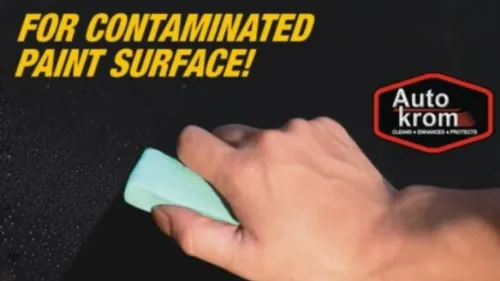
- Removing bonded contamination
- Inspecting paint defects
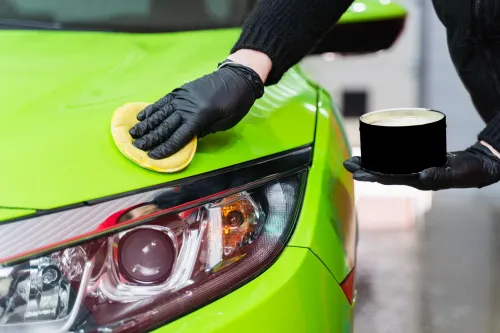
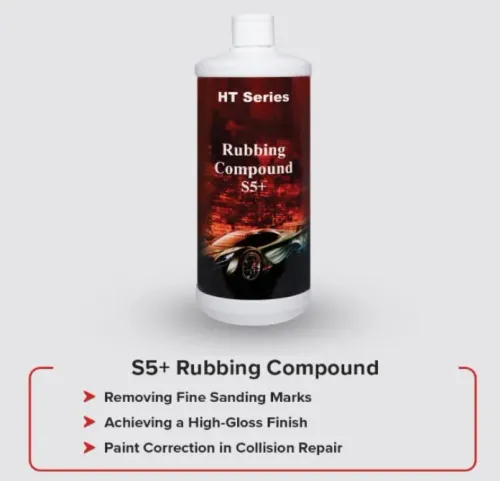
- Correcting suitable imperfections
- Removing polishing residue
- Degreasing appropriate surfaces
- Completing final surface inspection
If contamination remains underneath a transparent film, it may become visible after installation.
Existing scratches can also remain noticeable unless corrected beforehand.
Installation Conditions Affect the Finish
PPF should ideally be installed in a clean and controlled environment.
Dust and airborne particles are significant concerns because contamination trapped between the film and paint can affect appearance.
Temperature can also influence film handling and adhesive behaviour.
For detailing businesses in Pune, maintaining a suitable indoor installation environment can be particularly useful during dusty weather and changing seasonal conditions.
Good lighting is equally important because it allows technicians to identify contamination, trapped solution, edges, and other installation details.
Choose Coverage According to Vehicle Usage
Not every customer requires the same PPF package.
A vehicle frequently driven on highways may benefit from greater protection across forward-facing panels.
An urban vehicle may have more concern around door edges, handles, bumpers, and other contact areas.
Before recommending coverage, professionals should consider:
- Daily driving pattern
- Highway usage
- Parking environment
- Vehicle value
- Paint condition
- Customer expectations
- Planned ownership period
- Available budget
This creates a more practical recommendation than automatically suggesting the same package for every vehicle.
Look Beyond the Film Roll
Professional PPF work requires supporting products and installation tools.
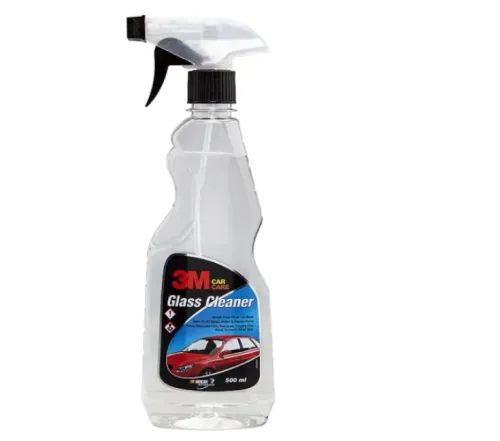
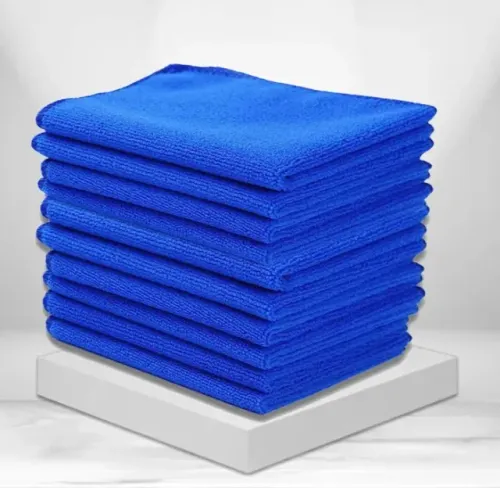
Depending on the film system, a workshop may need appropriate surface preparation materials, microfiber cloths, application tools, squeegees, cutting equipment, and finishing accessories.
Reliable availability is important for commercial detailing studios because inconsistent supplies can disrupt established installation procedures.
S T Sales supports automotive detailing and refinishing professionals in Pune with products relevant to vehicle surface preparation and protection applications.
Choosing Paint Protection Film Supplies should ultimately be based on installation quality, film characteristics, compatibility, vehicle usage, and the expected finished appearance. When suitable materials are combined with careful surface preparation and trained application, PPF can become an effective part of a professional vehicle paint protection strategy.
Keywords